Hockey Beginner FAQ
Getting Started
Q: Can adults start learning hockey safely?
A: Absolutely! Beginners of all ages can learn safely with proper instruction, gear, and patience. Take your time and start with a Learn to Skate program.
Q: Do I need to be in shape before starting hockey?
A: Not really. Hockey is physically demanding, but starting slow and building skills gradually is key. Skating itself improves fitness quickly.
Q: What’s the difference between youth and adult beginner programs?
A: Youth programs focus on fundamental skills in a fun, age-appropriate way. Adult programs focus on basics too, but pacing and class structure are designed for grown-ups.
Learning & Practice
Q: How long does it take to learn basic skating?
A: It varies, but most beginners get comfortable with basic strides, stops, and turns after a few weeks of regular practice.
Q: How often should beginners practice?
A: Aim for 1–2 sessions per week at first. Even short, consistent practice helps you improve faster.
Q: How do I know if I’m improving?
A: Watch your balance, stopping, turns, and puck control. Small improvements, like skating more confidently or handling the puck more smoothly, show progress.
Q: How long does it take to get comfortable on the ice?
A: Most beginners feel confident skating and handling the puck after 4–6 weeks of consistent practice.
Q: Can beginners play full games safely?
A: Yes, with proper gear, instruction, and awareness of safety rules. Start slow and follow league guidance.
Gear & Equipment
Q: Is renting gear okay for beginners?
A: Definitely! Rentals are a great way to try hockey without investing heavily. Once you know what you like, you can buy your own gear.
Q: How do I size hockey equipment properly?
A: Follow rink or manufacturer sizing charts, try on gear in person if possible, and make sure pads fit snugly without restricting movement.
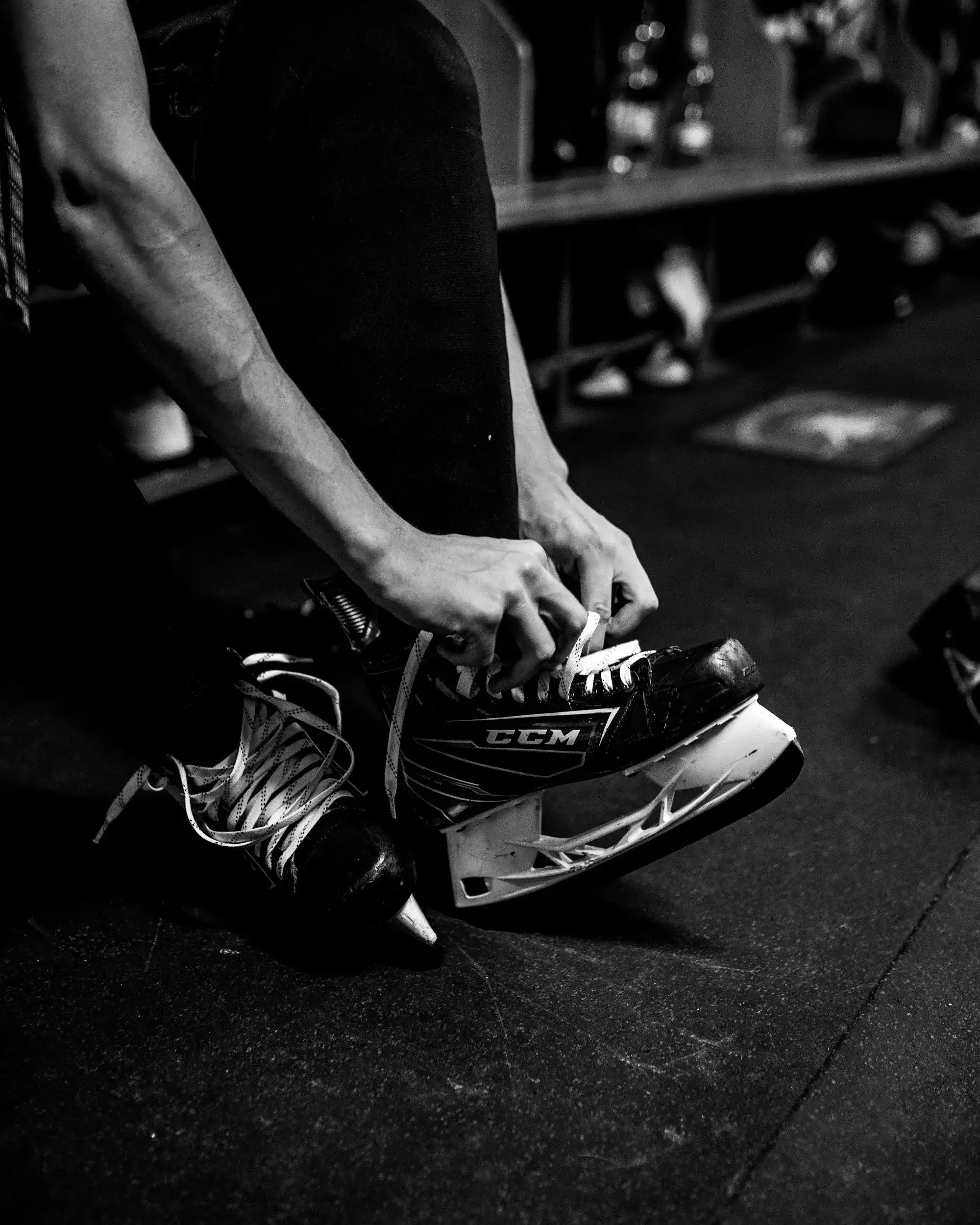
Q: How often should skates be sharpened?
A: Beginners usually need a sharpen every 5–10 hours of ice time. Test with a hockey stop — if you slide instead of “bite,” sharpen them.
Q: Are there affordable options for gear?
A: Yes! Many stores sell beginner sets or used gear. Comfort and safety are more important than brand or pro-level equipment.
Rules & Gameplay
Q: Can beginners accidentally get penalties?
A: Absolutely! Everyone makes mistakes at first. Follow the rules, play safely, and learn from each experience.
Q: Are rules enforced differently in beginner or recreational leagues?
A: Yes. Recreational leagues are more forgiving and focus on learning, while competitive leagues enforce penalties strictly.
Q: What happens if a goalie commits a penalty?
A: The team plays short-handed, and another player serves the penalty, but the goalie stays in the net.
Q: Can goalies leave the crease?
A: Yes, goalies can move out of the crease to play the puck, but they have restrictions on body contact.
Q: What’s a faceoff violation?
A: Violations happen if players enter the circle too early or break position rules. Beginners usually learn quickly by watching and practicing.
Q: Do all leagues follow the same rules?
A: Most follow standard hockey rules, but recreational leagues may adjust for beginners. Always check your league’s rulebook.
Q: Are fighting or aggressive penalties allowed in beginner leagues?
A: No. Beginner and recreational leagues focus on safety — fights or overly aggressive hits are penalized immediately.
Joining a League
Q: Can adults join beginner leagues?
A: Yes! Many rinks offer adult beginner classes or recreational leagues.
Q: Are there co-ed leagues?
A: Often, yes. Recreational leagues frequently mix genders to make hockey accessible for everyone.
Q: What’s the difference between recreational and competitive leagues?
A: Recreational leagues focus on learning and fun, while competitive leagues are faster, more skilled, and enforce stricter rules.
Q: How often are games and practices?
A: Usually 1–2 practices and 1–2 games per week, but it depends on the league and location.
Q: What happens if I miss a practice or game?
A: Check your coach’s policy. Missing occasionally is normal, but try to communicate and attend as much as possible.
Q: Do I need to own gear or can I rent?
A: Beginners can rent most gear. Owning your own equipment is optional until you’re sure hockey is for you.
Q: Can beginners play in multiple leagues at once?
A: Usually yes, but check schedules and league rules to avoid conflicts.
Safety & Common Beginner Concerns
Q: What injuries are common for beginners, and how can I prevent them?
A: Minor bruises, scrapes, and falls are common. Prevention: wear full safety gear, practice safe falling, and warm up before each session.